Your roof does a lot of quiet, steady work. It handles rain, wind, snow, and years of temperature swings without much fanfare. But when something starts to go wrong structurally, it often shows up in the roofline first. Catching those early signs can save you from a much bigger repair down the road.
What causes a roofline to sag?
Sagging doesn’t happen overnight. It develops gradually as the underlying structure weakens. Several factors can contribute to the problem:
- Long-term moisture damage to rafters, ridge boards, or sheathing
- Inadequate support during the original construction
- Heavy snow loads that stressed the structure over multiple winters
- Pest damage, particularly from termites or carpenter ants
- Age-related deterioration of wooden structural components
Poor attic ventilation is another common factor. When moisture builds up in the attic, it slowly weakens the wood framing from the inside.
Signs to look for from the ground
You don’t need to get on the roof to spot early warning signs. A simple visual inspection from your yard can reveal a lot.
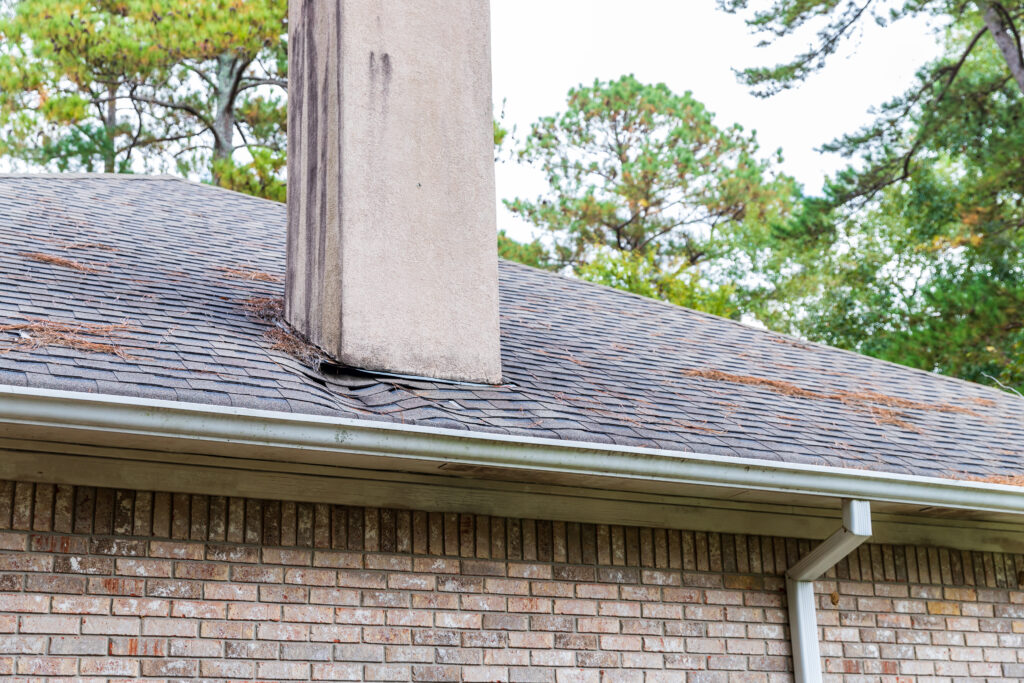
Stand back and look at the ridge line, which is the horizontal peak that runs across the top of your roof. It should appear straight and level. Any dipping, curving, or waviness along that line is worth paying attention to. The same goes for the eaves, the lower edges of the roof. If they appear to bow or sag in certain spots, that’s a signal the structure beneath may be shifting.
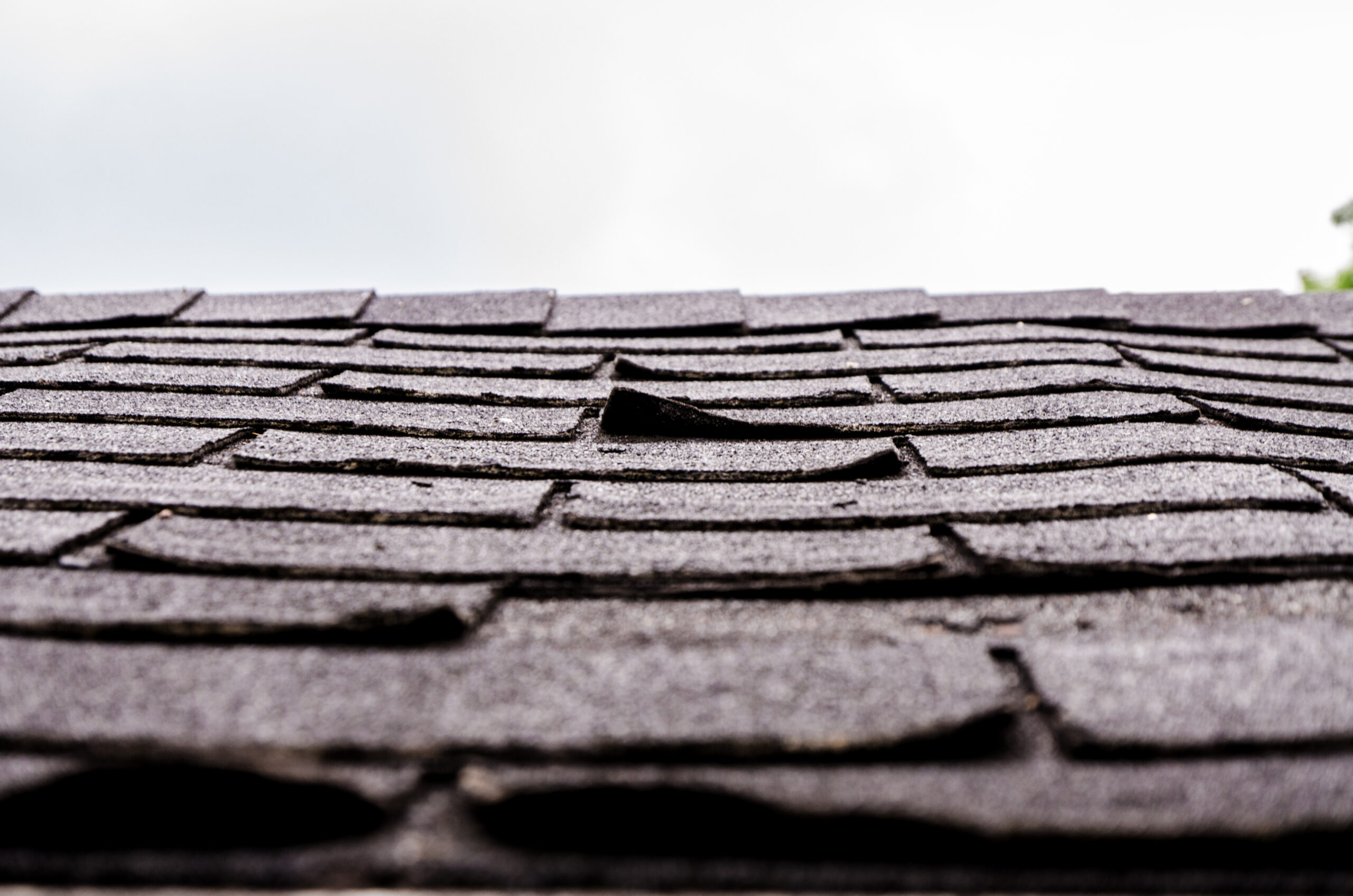
Look at the roof surface itself. Visible rippling or uneven sections on the shingles can indicate that the decking underneath has warped or weakened. After a storm, this kind of inspection is especially useful for knowing what to document for insurance purposes.
Interior clues that something is off
Some of the clearest early signals show up inside your home. Head up to the attic with a flashlight and take a look around. Rafters that appear bent, cracked, or bowed are a red flag. If you notice daylight coming through where it shouldn’t, that’s another sign worth investigating.
Back inside the living areas, pay attention to cracks forming along the tops of walls or near ceiling corners. Doors or windows that have recently started sticking can also indicate that the roof structure is shifting and putting pressure on the walls below.
Why acting early makes a difference
Structural sagging tends to progress. What starts as a minor dip can become a much more serious problem if the underlying cause isn’t addressed. A qualified roofing professional can assess the extent of the issue and recommend whether repairs to specific components, additional bracing, or other solutions are the right fit.
When you’re ready to connect with a trusted local expert, we can help you find trusted, local professionals in your area. We also share helpful home tips and resources regularly on Instagram, so give us a follow to stay in the loop.