
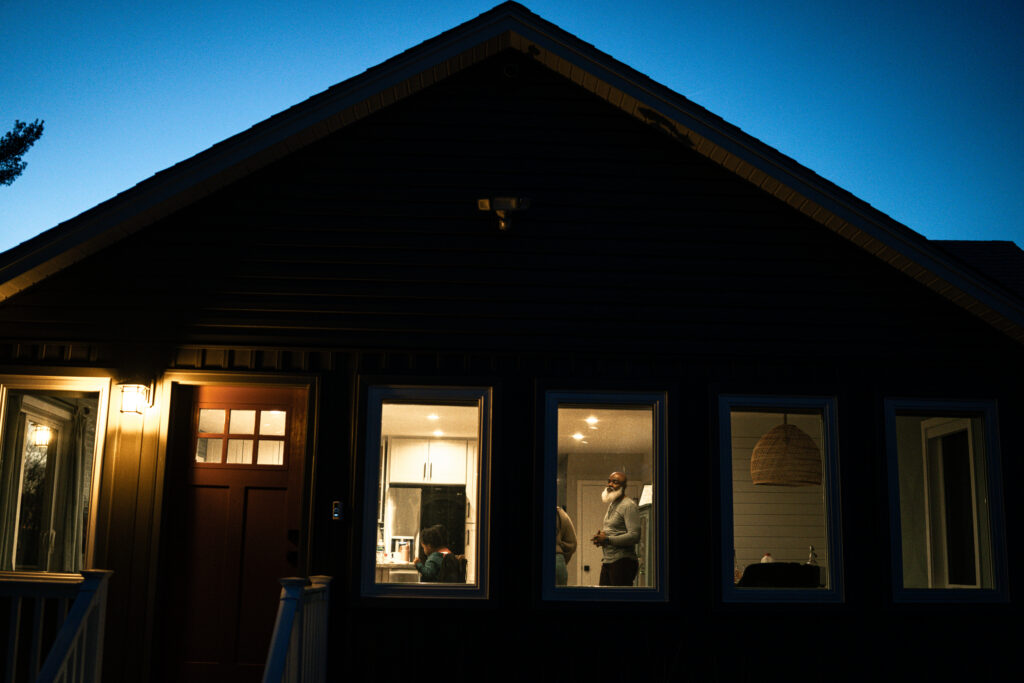
You’ve probably seen one-way window film marketed as a simple privacy solution. During the day, people outside see a mirrored surface while you enjoy a clear view from inside. At night, though, you don’t always have the privacy that you think you have.
How one-way window film actually works
One-way window film relies entirely on a difference in light levels between two spaces. The reflective surface works by bouncing back the brighter side while allowing the darker side to see through. During daylight hours, the outside is brighter than your interior, so the film reflects outward and blocks the view in.
Once the sun goes down, that balance reverses. Your interior lights are now the brightest environment, and the darkness outside becomes the darker side. The film follows the same rule it always did, only now it’s working against you. Anyone standing outside in the dark can see directly into your lit rooms while you may not be able to see them at all.
Why this catches homeowners off guard
Most people test their window film during the day and feel satisfied with the results. It does exactly what it promises in those conditions. The nighttime reversal isn’t always mentioned clearly at the point of purchase, and it’s not something you’d notice until you happen to look at your windows after dark from outside.
Homes in well-lit neighborhoods or on busy streets are especially affected. If there’s activity outside at night, whether from streetlights, passing cars, or neighbors, people can potentially see into your home clearly while you go about your evening routine assuming you have full privacy.
What actually works for nighttime privacy
The good news is that several options provide reliable privacy regardless of the time of day:
- Blackout curtains
- Frosted or opaque window film
- Cellular shades and Roman shades
- Exterior privacy screens or shutters
Layering solutions also work well. Sheer curtains during the day paired with heavier drapes in the evening give you flexibility without sacrificing style. Many homeowners find this approach fits naturally into their existing décor while solving the privacy gap that one-way film leaves behind.
Getting it right for your home
Every home is different. Window size, placement, interior lighting habits, and the surrounding environment all factor into which solution makes the most sense. A window treatment or home improvement professional can assess your specific situation and recommend options that work around-the-clock.
When you’re ready to explore your options, we can help you connect with a local professional in your area to find the right solutions for your home and budget. You can also stay connected with us on Instagram for other home tips and inspiration.

