
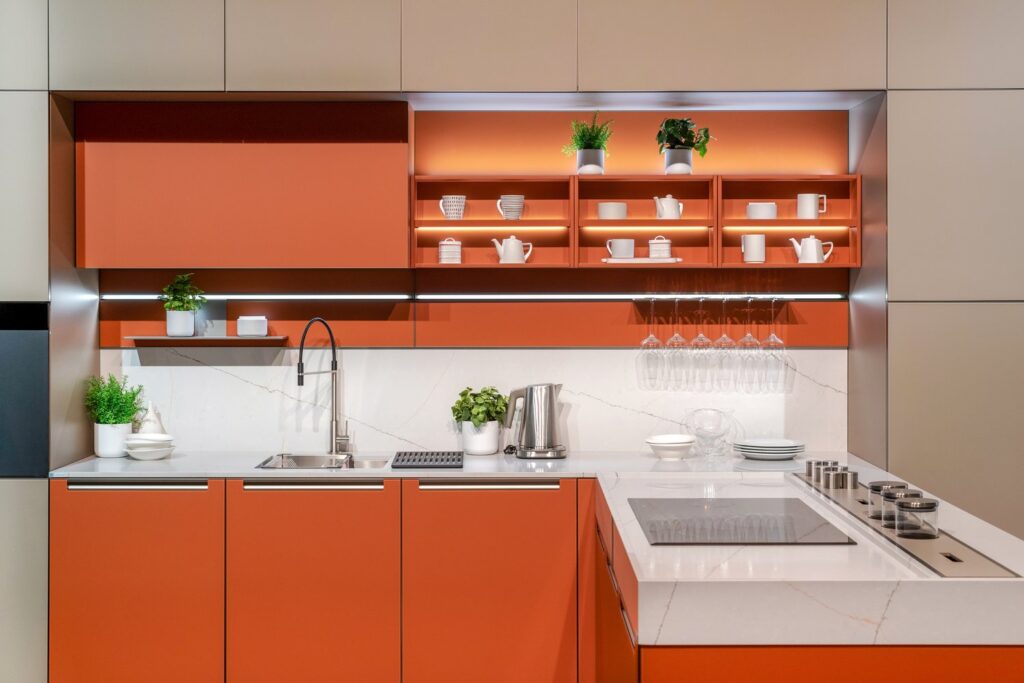
The Japandi style interior has emerged as one of the most compelling design movements of recent years, seamlessly merging the clean lines of Japanese aesthetics with the warmth of Scandinavian design. This harmonious fusion creates spaces that are both functional and beautiful, embracing simplicity while remaining undeniably cozy. In this article, we’ll explore the origins of this Japanese Scandinavian design hybrid, examine its defining characteristics, and provide practical advice for transforming your home with this elegant yet approachable style.
The Origins of Japandi
The Japandi style represents a natural marriage between two design philosophies that, despite originating from opposite sides of the world, share remarkable similarities. Japanese design has long emphasized minimalism, natural materials, and a deep respect for craftsmanship—principles that date back centuries and are rooted in Zen Buddhism. Meanwhile, Scandinavian design emerged in the early 20th century with its focus on simplicity, functionality, and connection to nature, influenced by the harsh Nordic climate and the need to create bright, practical interiors.
These parallel approaches to design began to intermingle more formally in the 2010s, though cultural exchange between Japan and the Nordic countries has existed for much longer. Both cultures value the concept of home as a sanctuary, prioritizing tranquility and eschewing excessive ornamentation. The Japandi fusion feels almost inevitable in hindsight, as both traditions celebrate clean lines, natural elements, and a less-is-more philosophy that resonates deeply in our often chaotic modern world.
Key Elements of Japandi Style
To achieve the Japandi look in your home, it’s essential to understand its foundational elements. At its core, this minimalist cozy decor approach balances Japanese rusticity with Scandinavian sleekness. The color palette typically features neutral tones—soft whites, beiges, and grays—accented with muted natural colors like sage green, terracotta, or navy blue. These subdued hues create a calm backdrop that allows carefully selected furnishings to stand out.
Materials play a crucial role in Japandi interiors. Opt for natural elements like unfinished or lightly finished woods, particularly in medium to dark tones that reflect Japanese traditions. Bamboo, rattan, and paper (for lighting elements or screens) add authentic texture, while linen, wool, and cotton provide the cozy Scandinavian influence. The juxtaposition of darker Japanese-inspired woods with lighter Scandinavian pieces creates a balanced and visually interesting space.
Furniture in Japandi spaces embodies the “quality over quantity” principle. Choose pieces with clean lines and exceptional craftsmanship that showcase the beauty of natural materials. Low-profile furniture, a hallmark of Japanese design, creates a grounded feeling, while the Scandinavian influence adds ergonomic comfort. As the experts at AskHomey suggest, investing in fewer, better-quality pieces rather than filling spaces with trendy disposable items aligns perfectly with the Japandi philosophy of mindful consumption.
Creating Space and Light
A fundamental aspect of the Japandi style interior is the thoughtful use of space. The Japanese concept of “Ma”—the meaningful empty space between objects—combines beautifully with the Scandinavian emphasis on light-filled environments. In practice, this means avoiding overcrowded rooms and allowing each piece of furniture or decor to breathe.
Consider the flow of movement through rooms and eliminate unnecessary obstacles. Keep surfaces relatively clear, displaying only a few meaningful objects rather than numerous knickknacks. Window treatments should be minimal to maximize natural light, with sheer curtains or simple wooden blinds that filter light without blocking it completely.
This approach to space creates interiors that feel expansive and peaceful, regardless of your home’s actual square footage. The resulting atmosphere supports mental clarity and relaxation—a welcome antidote to the visual noise and constant stimulation of contemporary life.
Bringing Japandi Into Your Home
Transitioning to a Japanese Scandinavian design aesthetic doesn’t require a complete home overhaul. Start by decluttering rigorously, keeping only items that serve a purpose or bring genuine joy—a principle aligned with both Marie Kondo’s Japanese organizing philosophy and Scandinavian functionality.
Introduce natural elements through houseplants with simple, architectural forms like peace lilies or snake plants. Consider adding a bonsai tree as a quintessential Japanese element. Textiles provide an accessible entry point to achieve the Japandi look—layer neutral cushions and throws in natural fibers, and consider a minimalist rug with subtle geometric patterns.
Lighting in Japandi spaces should be soft and layered. Paper lanterns or pendants provide diffused overhead lighting reminiscent of Japanese interiors, while wooden floor lamps with linen shades contribute Scandinavian warmth. Candles are essential for creating that hygge feeling during darker hours.
Artwork should be selective and meaningful—think minimalist prints, nature photography, or traditional Japanese ink paintings in simple frames. Ceramics in organic shapes and earthy glazes make perfect decorative accents that honor both design traditions’ appreciation for handcrafted objects.
The Enduring Appeal of Japandi
What makes the Japandi aesthetic particularly relevant today is its emphasis on sustainability and mindful consumption. By valuing craftsmanship, natural materials, and timeless design over passing trends, this style encourages a more conscious approach to home decoration. The minimalist cozy decor philosophy at its heart isn’t about austerity but rather about curating spaces that support wellbeing and appreciation of simple beauty.
As we navigate increasingly complex lives, the serene balance of Japandi interiors offers a welcome respite—spaces that feel both grounding and uplifting, practical and beautiful. By embracing this thoughtful fusion of Eastern and Western design traditions, we create homes that not only look harmonious but feel deeply nurturing to inhabit.
For more tips and to connect with reliable home service professionals, follow AskHomey on Facebook and Instagram.