
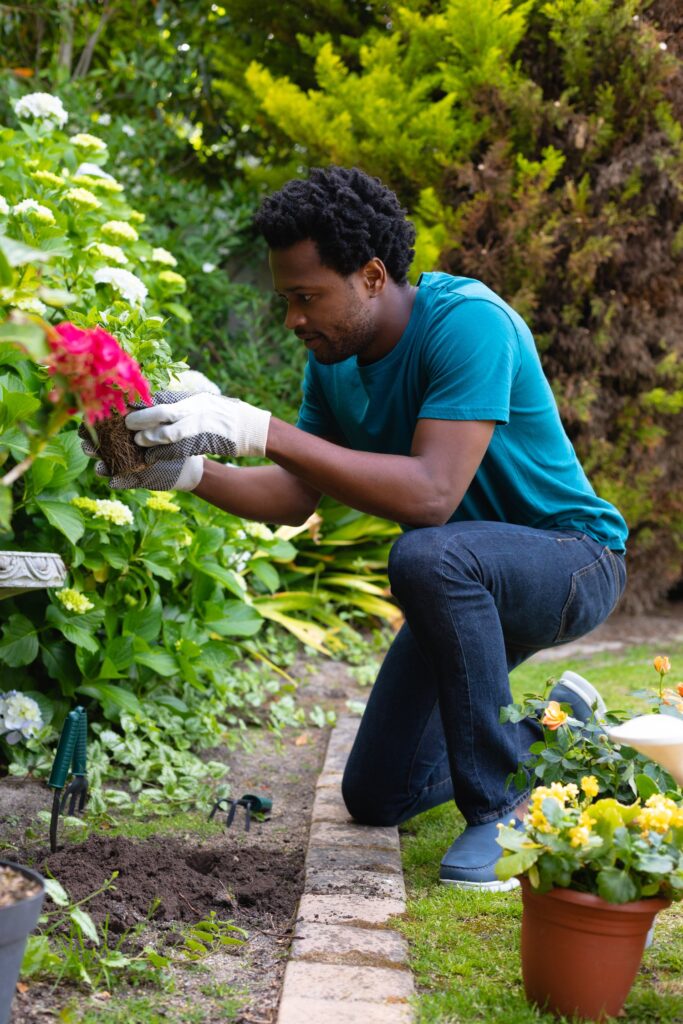
Stepping into the world of organic gardening opens up a sustainable path to growing beautiful plants and nutritious food without synthetic chemicals. This approach focuses on working with nature rather than against it, creating a balanced ecosystem that benefits your plants, local wildlife, and the environment. In this guide, we’ll explore fundamental organic gardening practices for beginners, including how to build healthy soil naturally, implement effective natural pest control strategies, and nurture plants using chemical-free methods. Whether you have a small balcony or a spacious backyard, these principles will help you create a thriving organic garden.
Understanding Organic Gardening Principles
Organic gardening for beginners starts with understanding its core philosophy: mimicking and supporting natural processes. Unlike conventional gardening that often relies on synthetic fertilizers and pesticides, organic methods create a self-sustaining environment where plants can thrive naturally. This approach views the garden as an interconnected ecosystem where soil microorganisms, insects, plants, and even weeds play important roles. By avoiding chemical inputs, you’ll create a safer environment for beneficial organisms, pets, and family members while growing healthier produce with enhanced flavor and nutrient content. The transition to a chemical-free garden may require more planning initially, but the long-term benefits for your health and the environment make it worthwhile.
Building Healthy Soil: The Foundation of Organic Success
The cornerstone of any successful organic garden is rich, living soil. Unlike conventional methods that focus on feeding plants directly with synthetic fertilizers, organic gardening emphasizes nourishing the soil that feeds your plants. Begin by conducting a simple soil test to understand your starting point. Most garden centers offer affordable testing kits that reveal your soil’s pH and nutrient levels. Armed with this knowledge, you can apply targeted healthy soil tips to address deficiencies naturally. Compost is your most valuable resource—often called “garden gold” for good reason. Create your own by combining kitchen scraps (avoiding meat and dairy), yard waste, and fallen leaves in a dedicated bin or pile. Turn it occasionally and within months, you’ll have nutrient-rich humus to blend into your garden beds.
Composting: Creating Your Own Garden Gold
Composting deserves special attention as it’s the heart of organic soil improvement. The process transforms waste into a rich soil amendment teeming with beneficial microorganisms. For beginners, start with a simple system: layer “browns” (carbon-rich materials like dried leaves, cardboard, and twigs) with “greens” (nitrogen-rich materials like fresh grass clippings, vegetable scraps, and coffee grounds). Maintain moisture similar to a wrung-out sponge and turn your pile every few weeks to accelerate decomposition. If space is limited, consider vermicomposting (composting with worms) which can be done in a small bin even in apartment settings. As experts at AskHomey suggest, quality compost not only feeds your plants but also improves soil structure, enhances water retention, and increases resistance to disease—all crucial elements for a thriving chemical-free garden.
Natural Pest Control Strategies
One of the biggest challenges for organic gardening beginners is managing pests without chemical solutions. The good news is that nature provides numerous effective alternatives. Start by focusing on prevention: healthy plants grown in nutrient-rich soil naturally resist many pest problems. Encourage beneficial insects like ladybugs, lacewings, and predatory wasps by planting diverse flowering plants that provide nectar and pollen. Create physical barriers with row covers or copper tape to prevent pest access. When intervention becomes necessary, try gentle remedies like insecticidal soap made from diluted dish soap, neem oil spray, or a garlic-pepper solution. Remember that some plant damage is acceptable in a balanced garden ecosystem—complete eradication of pests often does more harm than good by disrupting the natural food chain.
Companion Planting and Biodiversity
Creating a diverse garden is one of the most effective natural pest control methods available. Companion planting—the strategic placement of plants that benefit each other—confuses pests, attracts beneficial insects, and maximizes growing space. Classic examples include planting aromatic herbs like basil near tomatoes to repel hornworms or surrounding susceptible crops with strong-scented marigolds to deter nematodes. Beyond companion planting, increase overall biodiversity by incorporating native plants, varying plant heights and flowering times, and creating habitat features like small brush piles or water sources. This diversity creates a resilient ecosystem that regulates itself with minimal intervention from you, making organic gardening more manageable for beginners.
Watering Wisely in Your Organic Garden
Water management is crucial in an organic system. Conserve this precious resource while promoting plant health by watering deeply but less frequently to encourage deep root growth. Apply water directly to the soil rather than on foliage, preferably in the morning to reduce evaporation and fungal issues. Mulching around plants with organic materials like straw, leaves, or grass clippings helps retain moisture, suppress weeds, and gradually add nutrients to the soil as they decompose. Consider installing a rain barrel to harvest precipitation for your garden—an excellent complement to your chemical-free gardening approach that saves money while reducing runoff.
Seasonal Planning for Year-Round Success
Successful organic gardening follows nature’s rhythms through thoughtful seasonal planning. Spring is ideal for soil preparation and planting, summer for maintenance and harvesting, fall for collecting seeds and preparing for dormancy, and winter for planning and soil building through cover crops. Keep a simple garden journal to track what works and what doesn’t in your unique growing environment. Over time, this record becomes invaluable as you refine your organic gardening skills and develop intuitive understanding of your garden’s needs. Remember that mistakes are part of the learning process—even experienced gardeners face challenges each season.
For more tips and to connect with reliable home service professionals, follow AskHomey on Facebook and Instagram.