
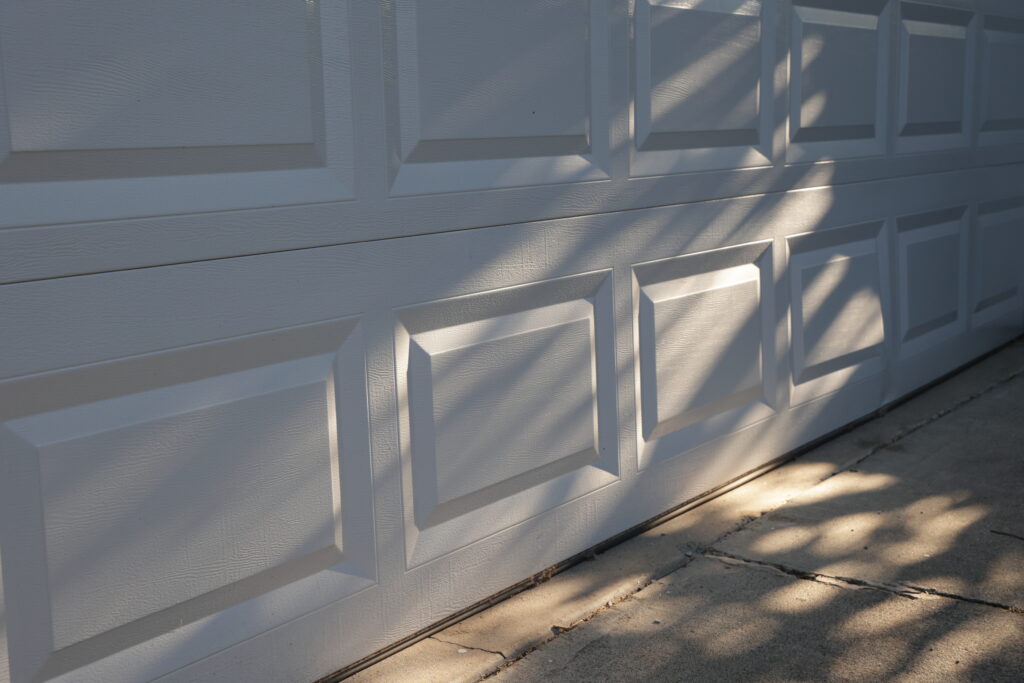
Even the sturdiest and most impressive-looking garage door can have vulnerabilities. Wind, dirt, moisture, insects, and rodents may seem like minor nuisances, but the damage they cause over time can be anything but. Luckily, the right sealing solutions can prevent these troubles.
Where gaps form and why they matter
First, we will give you a clear idea of how and why gaps in your garage door arise. Understanding the source of the problem will put you in a better position to implement an effective solution.
The ground on which your garage sits may be somewhat uneven. Consequently, small gaps will arise relative to the bottom of your garage door. As the floor in your garage wears down, or your weatherstripping ages, these gaps can become more significant. As this happens, ever-larger avenues will emerge through which drafts and various undesirable critters can enter your garage and wreak havoc. The latter are especially likely to damage electrical wires.
The weather can compound these problems. While heat and moisture may cause your garage door to rust, warp, or expand, cold and frost may make some of its internal components brittle and reduce the effectiveness of lubrication. As snow and ice gather on the ground, they can even freeze the bottom of your door to your driveway. For these reasons, proper sealing solutions are essential.
Sealing types and materials
Now that you understand the need to ensure that your garage door remains sealed, you need to know how best to do so. The optimal sealing material will vary depending on the problem you need to solve. For example, to keep out insects, you may want to place brush seals along the bottom of your door. Special rodent-proof seals, which combine thick rubber with a stainless-steel mesh, are too strong for rats and mice to chew through.
As a more general-purpose solution, we recommend EPDM rubber seals, which are waterproof, highly durable, crack-resistant, and able to retain their flexibility in temperatures between -60 and 290 degrees Fahrenheit. In a pinch, seals made from vinyl or thermoplastic rubber can also serve well. The optimal arrangement for your garage door will probably employ some combination of all or most of these seal types.
Care and maintenance
Even the highest-quality sealing materials will perform poorly if you install them incorrectly or neglect their upkeep. Each seal should fit snugly into its place without restricting the movement of your garage door. If seals detach from their places or start to warp or crack, the very problems that they exist to solve will reemerge. Therefore, it’s best to entrust seal installation to professionals and schedule regular maintenance inspections. Ordinary care and vigilance can also go a long way to keep your door seals performing as they should.
With the right sealing materials, the day-to-day ravages of nature should not pose any major risks for your garage door. You can find ideas on how to better safeguard your garage by visiting our Instagram page. Once you’re ready to upgrade the sealing on your garage door, check out our Marketplace page to find a local contractor.

