
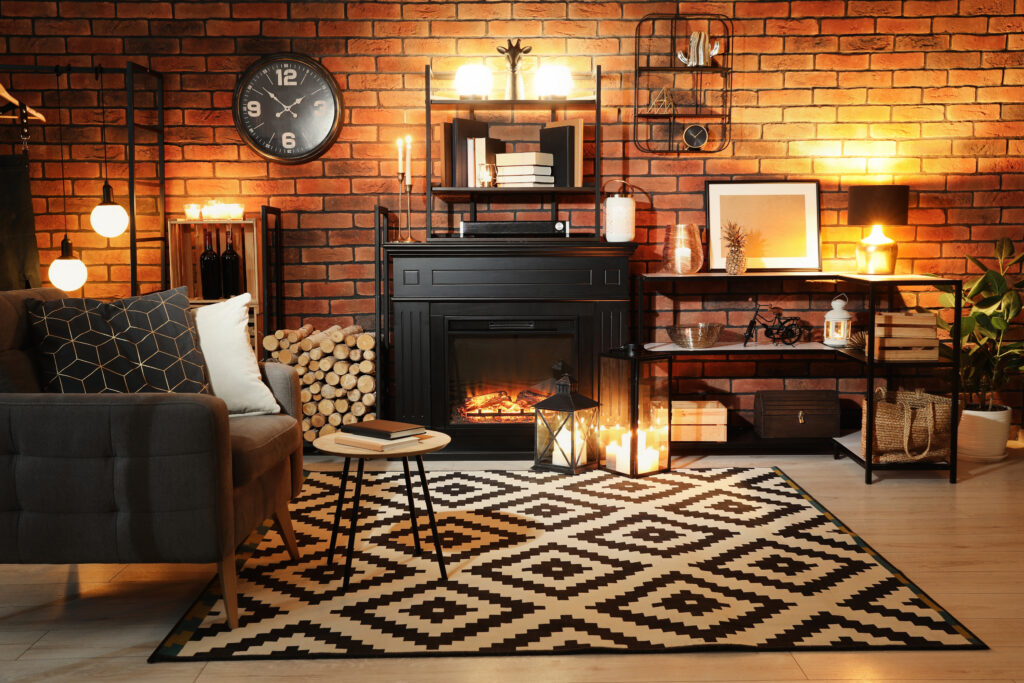
Good lighting can transform a room. Bad lighting, on the other hand, is something you feel without always being able to explain. Harsh shadows are a big part of that. They make spaces feel flat, uncomfortable, or just a little off. The fix is simpler than most people expect, and it starts with understanding how multiple light sources work together.
Why a single light source causes problems
When one overhead fixture does all the work in a room, the light hits surfaces from a single angle. Everything it can’t reach falls into shadow. The contrast between bright and dark areas becomes extreme, which makes the space feel stark rather than warm and inviting.
You might notice this lighting issue more in kitchens, bathrooms, and home offices where good visibility really matters. A single ceiling light positioned above you while you work at a counter or desk creates shadows right where you need clarity most.
The basics of layered lighting
Multi-source lighting, often called layered lighting, solves the shadow problem by filling a room with light from different directions and at different heights. There are three main types of light to work with:
- Ambient lighting: the general, overall light that fills the room
- Task lighting: focused light for specific activities like reading, cooking, or working
- Accent lighting: decorative light that adds depth and highlights certain features
Using all three together softens harsh contrasts. When light comes from multiple sources and angles, shadows become diffused rather than sharp. The overall effect feels much more natural, similar to how daylight works when it filters in from different windows throughout the day.
Practical ways to add light sources
You don’t need a full renovation to layer your lighting effectively. Small additions make a meaningful difference in most rooms.
Floor lamps positioned in corners push light upward and outward, brightening areas that overhead fixtures tend to miss. Table lamps on side tables or console surfaces can also add warmth at eye level. Consider under-cabinet lighting in kitchens to eliminate the shadow that overhead lights cast on countertops. In bathrooms, it’s a good idea to add sconces on either side of a mirror instead of relying on a single fixture above it eliminates the unflattering shadows that overhead-only lighting creates.
Dimmer switches are another worthwhile upgrade. They let you control the intensity of each source and adjust the mood of a room without adding new fixtures. Pairing dimmers with well-placed lamps gives you a lot of flexibility throughout the day.
Choosing the right bulbs
The color temperature of your bulbs matters just as much as placement. Warm white bulbs (around 2700K to 3000K) create a cozy, relaxed feel that works well in living rooms and bedrooms. Cooler, brighter bulbs work better in task-heavy spaces. Keeping your bulbs consistent across a room’s light sources also helps everything feel cohesive rather than patchy.
If you have lighting questions, let a trusted professional near you help you out. Also, stay connected and follow us on our Instagram page for home design inspiration, tips, and ideas delivered right to your feed.