Maintaining a clean roof isn’t just about aesthetics; it’s crucial for extending the lifespan of your roofing materials and preventing structural damage. Over time, organic growth like moss, algae, and lichen can take hold on your shingles or tiles, retaining moisture and potentially causing deterioration. This article explores safe and effective roof cleaning methods to tackle these unwanted guests. We’ll discuss why these growths occur, how to remove them properly, preventative measures, and when it’s time to call a professional.
Understanding Roof Growths: Moss, Algae, and Lichen
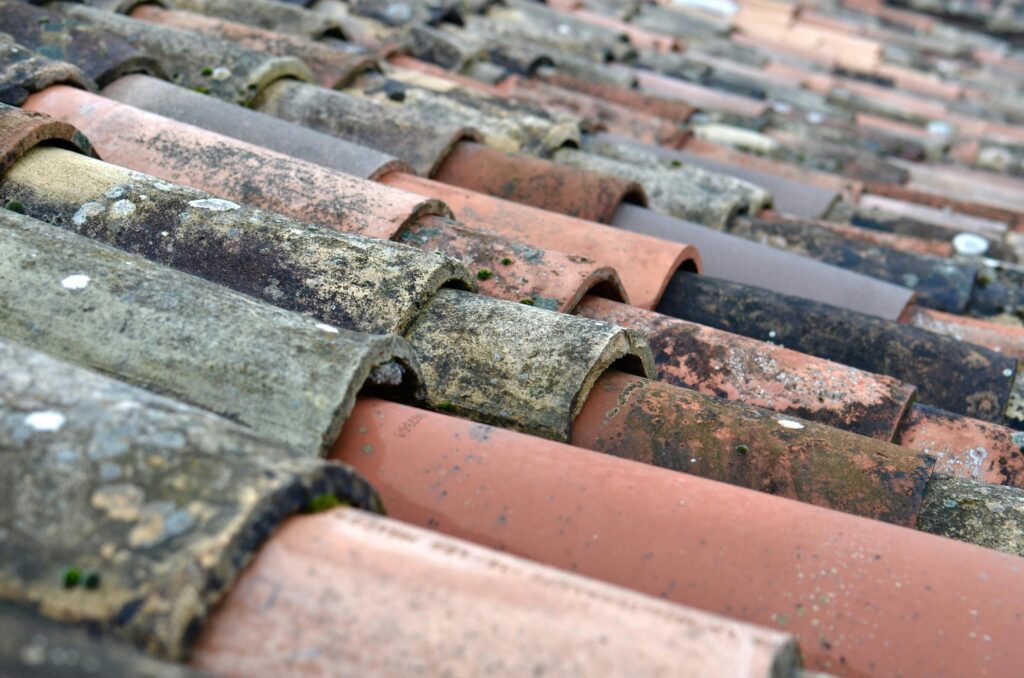
Before addressing how to remove moss from roof surfaces, it’s important to understand the differences between common roof growths. Moss appears as a soft, green, carpet-like growth that thrives in damp, shaded areas. It has shallow roots that can work beneath shingles, causing them to lift and creating entry points for water. Algae typically shows up as dark streaks or discoloration and is most common in humid climates. Though primarily an aesthetic issue, algae can gradually deteriorate roofing materials. Lichen on roof tiles presents as a flat, crusty growth that’s often a combination of algae and fungus. These stubborn organisms can be colorful—ranging from light green to orange or gray—and may cause roofing materials to deteriorate over time.
Each of these organisms prefers different conditions, but they all require moisture to thrive. North-facing roof sections, areas shaded by trees, and regions with high humidity are particularly susceptible to these unwanted growths. Understanding what you’re dealing with is the first step toward effective treatment.
Safe Methods to Clean Roof Algae and Moss
When it comes to removing organic growth from your roof, gentle approaches are best to avoid damaging roofing materials. For light moss infestations, a soft-bristle brush can effectively dislodge the growth. Work downward from the roof peak, being careful not to lift or damage shingles. For more stubborn cases, a mixture of equal parts water and white vinegar can be applied and left to sit for 20-30 minutes before gentle brushing.
To clean roof algae effectively, a solution of oxygen bleach (not chlorine bleach, which can harm plants and roofing materials) mixed with water works well. Apply the solution with a pump sprayer, allow it to sit for 15-20 minutes, and then rinse thoroughly with low-pressure water. Commercial cleaners specifically formulated for roof cleaning are also available at most home improvement stores. These products are designed to remove algae, moss, and lichen on roof tiles without causing damage to the roofing materials.
Never use a pressure washer on asphalt shingles or other delicate roofing materials, as the high-pressure stream can dislodge protective granules and significantly shorten your roof’s lifespan. As noted by experts at AskHomey, proper roof cleaning methods should preserve your roof’s integrity while effectively removing unwanted growth.
DIY Prevention Strategies
After you’ve gone through the effort to remove moss from roof surfaces, taking preventative measures can help keep your roof clean longer. Installing zinc or copper strips near the roof peak can prevent new growth, as rain washing over these metals creates an environment hostile to moss, algae, and lichen. When rainwater flows over these strips, it carries small amounts of metal particles that inhibit organic growth downslope.
Trim overhanging branches to increase sunlight exposure and reduce moisture retention on your roof. Regularly cleaning gutters and removing debris from the roof surface also prevents the buildup of organic matter that can foster growth. Additionally, ensuring proper attic ventilation helps maintain a dry roof surface, making it less hospitable to moisture-loving organisms.
When to Call Professional Roof Cleaners
While many homeowners can successfully tackle roof cleaning themselves, there are situations where professional help is warranted. If your roof is particularly steep, has extensive growth, or if you’re uncomfortable working at heights, hiring a professional is the safer option. Professionals have the proper equipment, experience, and safety gear to clean effectively without risk of injury or roof damage.
Experts who specialize in roof cleaning methods understand the specific treatments needed for different roofing materials. Clay tiles, concrete tiles, asphalt shingles, wood shakes, and metal roofing all require different approaches. A professional can also assess whether the organic growth has caused damage that might require repairs beyond simple cleaning.
Long-term Roof Maintenance
Maintaining a clean roof should be part of your regular home maintenance routine. Plan to inspect your roof at least twice a year, ideally in spring and fall, to catch any new growth early. Early intervention requires less aggressive cleaning and minimizes potential damage to roofing materials.
Consider applying a preventative treatment every two to three years, especially if your home is in a damp climate or heavily shaded area. These treatments can extend the intervals between cleanings and help protect your roofing investment. Remember that a well-maintained roof not only looks better but can last significantly longer, saving you money on premature replacement costs.
For more tips and to connect with reliable home service professionals, follow AskHomey on Facebook and Instagram.